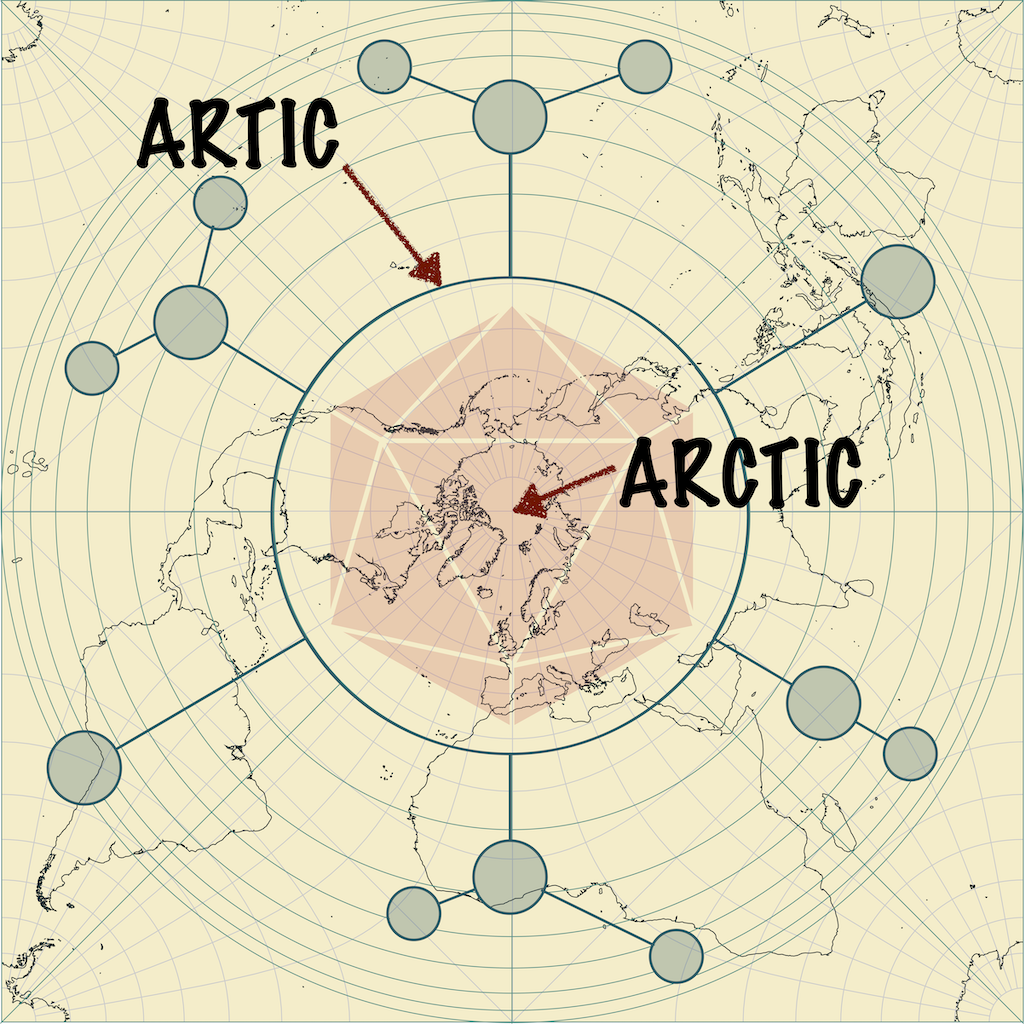
The ARTIC network was initially developed for high-consequence viruses like Ebola, and the ARTIC protocol
proved crucial during the COVID-19 pandemic, facilitating rapid SARS-CoV-2 sequencing and global
dissemination. ARTIC 2.0, which began in 2025, significantly broadens the scope to include endemic human
pathogens, arthropod-borne viruses and zoonotic viruses as well as challenging new threats like the
spread of antimicrobial resistance (AMR).
ARTIC 2.0 enhances our ability to conduct responsive investigations of unusual or
concerning changes in the pattern of infectious disease anywhere in the world by leveraging new
tools such as metagenomics. This could be a cluster of hemorrhagic fever of unknown aetiology but
equally a spike of incidence in a known endemic arbovirus or childhood viral disease like measles.
What links these events is that the investigations must be sufficiently rapid that the information
acquired can lead to effective response. ARTIC 2.0 is creating a fully equipped toolbox where a
robust, low-cost and accessible set of tools, that make use of the same equipment, reagents and
bioinformatics, are ready to be rapidly applied to a wide range of investigations guided by an
extensive knowledge base and flexible analysis pipelines.
The ARTIC is funded by the Wellcome Trust through a Discretionary
Award (313694/Z/24project /Z) since 2025. This continues the support from the original ARTIC 1 project (Wellcome
Trust Collaborators Award 206298/Z/17/Z, 2017-2025). ARTIC 2.0 is also funded by the
Gates Foundation under the project title "ARTIC network Support for NPHIs" since 2025.
ARTIC is not an acronym - it is a name.